
Can Security Camera Footage Help Your Dallas Assault Defense Case?
How Video Evidence Can Transform Your Assault Defense in Texas
Facing assault charges in Texas can be life-altering, but security camera footage might be your strongest ally. In an age where surveillance is nearly ubiquitous, video evidence has become increasingly crucial in criminal defense cases, potentially making the difference between conviction and acquittal.
If you've been charged with assault, understanding how security footage could support your defense is essential for protecting your rights and future. Video evidence provides an unbiased account of events that can contradict witness testimony, verify your version of what happened, or even completely exonerate you—making it a powerful tool in building a solid defense strategy.
When the stakes are high and your future hangs in the balance, the Law Offices of Robert Gregg is here to help you navigate the complexities of your assault defense. Don't let valuable video evidence slip through the cracks—reach out to us today at 214-559-3444 or contact us to ensure your rights are protected and your story is heard.

Understanding Texas Assault Laws and Video Evidence Admissibility
Texas assault laws can carry serious penalties, ranging from misdemeanors to felonies, depending on the circumstances and alleged victim. Under Texas Penal Code Section 22.01, assault occurs when someone intentionally, knowingly, or recklessly causes bodily injury, threatens imminent bodily injury, or causes physical contact when they know the other person will find it offensive. When it comes to defending against these charges, security camera footage has emerged as a powerful form of evidence.
Video from body-worn cameras, dashboard cameras, and surveillance systems enhances transparency in policing and can be crucial to your defense. However, the admissibility of this footage depends on several factors, including how it was obtained, its chain of custody, and whether it shows a clear and relevant view of the alleged incident. A criminal defense attorney can help you navigate the complex legal process of acquiring and presenting this evidence effectively in court.
Critical Steps in Using Video Evidence for Your Defense
When security camera footage may be relevant to your assault case, acting quickly is essential. Video evidence is often automatically deleted after a certain period—typically 30 to 90 days—and preservation requires prompt action. Understanding the timeline and process for securing this evidence can significantly strengthen your defense strategy. Here's what you need to know:
-
Immediate preservation requests must be filed to prevent footage deletion, which may require formal legal requests or subpoenas to businesses or government entities
-
Authentication of the footage must be established in court, proving it hasn't been tampered with and accurately represents the events
-
Critical analysis may be necessary to enhance unclear footage, as police departments have successfully used enhanced security camera footage in numerous homicide investigations and other serious cases
-
Chain of custody documentation must be maintained, tracking who had access to the footage from collection to the courtroom
-
Legal challenges to admissibility need to be addressed, as prosecutors may attempt to exclude footage that contradicts their case
-
Integration with other evidence must be strategically planned to create a cohesive defense narrative that contextualizes what appears in the video
How a Dallas Criminal Defense Lawyer Can Leverage Video Evidence in Your Case
When security camera footage is available in your assault case, having a skilled criminal defense attorney can make all the difference in how effectively it's used. At the Law Offices of Robert Gregg, we understand that video evidence can be the cornerstone of a successful defense strategy. Our attorneys have extensive experience obtaining footage from businesses, government buildings, and private security systems, and know how to properly authenticate and present this evidence in court.
We've seen cases completely transformed when video contradicts witness testimony or police reports. Video from body-worn cameras, dashboard cameras, and surveillance systems has become increasingly crucial in providing meaningful responses to policing issues, enabling more reliable investigations and, in many cases, helping innocent defendants avoid wrongful convictions. With the right legal representation, security footage can be the key to having charges reduced or dismissed entirely, allowing you to move forward with your life. This can apply doubly so in cases of claiming self-defense against assault charges .
The Double-Edged Sword of Security Camera Footage in Assault Cases
While security camera footage can be tremendously beneficial to your defense, it's important to understand that video evidence isn't always straightforward. Camera angles, lighting conditions, and video quality can all affect how clearly events are captured. Sometimes footage may seem to incriminate you at first glance, but analysis can reveal important context that changes the interpretation entirely. Police departments have increasingly released graphic footage from security cameras in response to public record requests from local media, which has then been shown on local TV and YouTube, raising significant concerns about privacy and the presumption of innocence. Understanding these complexities is crucial when building your defense strategy against assault charges around video evidence.
Privacy Concerns vs. Transparency in Video Evidence
The widespread availability of security footage has created tension between transparency and privacy rights. When video evidence becomes public before trial, it can potentially prejudice the community against the accused, complicating jury selection and affecting your right to a fair trial.
This is particularly concerning in cases involving minors who cannot give informed consent for the distribution of footage. We've observed cases where premature video release created a public perception of guilt before all facts were considered in court. A skilled defense attorney must be prepared to address these challenges while still leveraging the exculpatory value of the footage.
Types of Video Evidence That Can Support Your Assault Defense
Different sources of video evidence carry varying levels of credibility and usefulness in assault cases and defending against false accusations . Understanding what types of footage might exist and how they can benefit your case is an essential step in building a strong defense. From official law enforcement recordings to social media content, each type of video evidence presents unique advantages and challenges when presented in court.
Body-Worn Camera and Dashboard Camera Footage
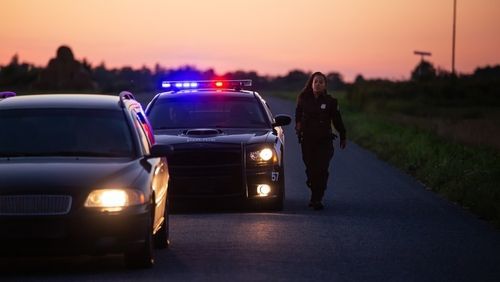
Police body cameras and dashboard cameras have revolutionized criminal defense by providing an objective record of police interactions. When assault charges in Texas stem from encounters with law enforcement or incidents responded to by police, this footage can be invaluable. These recordings often capture crucial moments before, during, and after an alleged assault, potentially showing provocation, self-defense circumstances, or officer misconduct.
Law enforcement agencies are increasingly adopting model policies and best practices for technology-based community engagement that increase transparency and accessibility, making this evidence potentially available for your defense. However, obtaining this footage typically requires formal requests through your attorney, and departments may sometimes claim technical malfunctions or other reasons why footage isn't available. Understanding your rights to access this evidence is critical to your defense.
How Social Media and Crowd-Sourced Video Can Impact Your Assault Case
Beyond traditional security cameras, today's cases increasingly involve video from smartphones and social media platforms. Social media has supported policing efforts in gathering intelligence during active incidents, such as the Columbia Mall shooting and the Boston Marathon bombing, allowing for the collection of more audio and visual information in electronic format.
This same technology can benefit your defense when bystanders capture footage that supports your version of events. However, these videos come with their own set of challenges, including authentication issues and potential editing or manipulation. Additionally, content you've posted yourself on social media platforms might be used against you, making it essential to review your online presence when facing criminal charges.
Strategic Use of Video in Self-Defense Claims
Video footage can be particularly powerful when claiming self-defense in assault cases. Texas law permits the use of force when reasonably necessary to protect yourself from unlawful force by another person. Security camera footage that shows you were not the initial aggressor, were retreating, or were responding to a legitimate threat can substantiate a self-defense claim.
Camera programs have been instrumental in numerous cases of alleged assault, helping to clarify the actual sequence of events and intentions of the parties involved. When properly analyzed and presented, video evidence showing the full context of an interaction can transform what initially appears to be an assault into a legally justified act of self-protection.
Technical Analysis and Testimony for Video Evidence
Sometimes, security camera footage isn't clear enough on its own to exonerate you. In these cases, technical analysis by video forensics professionals becomes crucial. Enhancement techniques can improve image quality, clarify timing sequences, or extract details not obvious to the untrained eye.
These officials can also testify about common misinterpretations of video evidence, such as perception issues with distance, lighting, or camera angles that might distort what appears to be happening. When policing issues occur, video evidence can be key to meaningful responses, but proper analysis is essential to ensure the evidence is interpreted accurately. Your defense team's ability to work with these officials can significantly impact how effectively video evidence supports your case.
Challenging the Prosecution's Interpretation of Video Evidence
When prosecutors use security camera footage against you, challenging their interpretation becomes a critical defense strategy. What may seem incriminating at first glance often lacks context or shows only a portion of the relevant events. A skilled criminal defense attorney knows how to highlight these limitations and present alternative interpretations that align with innocence or reduced culpability.
This might include introducing evidence about events that occurred before or after the recorded footage, demonstrating technical limitations of the camera system, or bringing in witnesses who can provide context for what appears in the video. Effectively countering the prosecution's narrative about video evidence requires both legal skill and technical understanding.
Frequently Asked Questions
-
How can I legally obtain security camera footage for my Dallas assault defense case?
In Texas, you can obtain security camera footage through several legal channels. First, your Dallas criminal defense lawyer can file formal discovery requests with the prosecution for any footage in their possession. For privately owned cameras (businesses, residences, etc.), your attorney can send preservation letters to prevent deletion, followed by subpoenas or court orders if necessary. For public places, your lawyer can file public information requests with the appropriate government entities. Be aware that timing is critical—most systems automatically delete footage after 30-90 days, so immediate action is essential to preserve this potentially valuable evidence.
-
What if the security camera footage in my Texas assault case appears to show me in a negative light?
Even if footage initially seems unfavorable, don't despair. Context matters tremendously in assault cases under Texas criminal laws. A skilled assault defense attorney in Dallas can often identify mitigating factors not immediately obvious, such as actions by others outside the camera frame, prior interactions not captured on video, or self-defense justifications. Technical analysis might reveal that the footage doesn't show what it initially appears to. Additionally, your attorney can potentially challenge the admissibility of the footage if it was improperly obtained or handled. Never assume video evidence automatically proves guilt—proper legal analysis and context are essential.
-
Can security camera footage be used to support a self-defense claim in Dallas criminal court?
Absolutely. Security camera footage can be powerful evidence supporting self-defense claims in Dallas criminal court. Texas law recognizes your right to defend yourself when reasonably necessary, and video evidence showing that you were threatened, that you tried to retreat, or that the other person was the initial aggressor can substantiate your self-defense claim. Even footage that only shows part of the interaction can be valuable when combined with witness testimony and other evidence. Your Dallas defense strategy should incorporate this footage within the broader context of Texas assault cases law, potentially using witnesses to analyze and explain the video in court.
-
How long do businesses typically keep security camera footage that might be relevant to my Dallas assault charges?
Most businesses in Dallas retain security camera footage for 30-90 days before overwriting it, though policies vary widely. Smaller businesses might keep footage for as little as 7-14 days due to storage limitations, while larger corporations might maintain records for up to 6 months. Government buildings and banks often have longer retention periods. This limited timeframe makes it crucial to act quickly when facing assault charges. A Dallas case evidence preservation request should be sent immediately to prevent the deletion of potentially valuable footage. Your assault defense attorney in Dallas can handle these time-sensitive requests and follow up with formal legal demands if necessary.
-
Will the quality of security camera footage affect its usefulness in my Texas criminal defense case?
Video quality significantly impacts the evidentiary value of security footage in Texas criminal defense cases. Higher-resolution footage clearly showing facial features, actions, and the sequence of events typically carries more weight with judges and juries. However, even lower-quality footage can be valuable by confirming timelines, showing general movements, or contradicting witness testimony. Forensic video professionals can sometimes enhance poor-quality footage to extract more detail. Your Dallas criminal defense lawyer can evaluate the footage quality and determine its potential impact on your case, potentially using technical officials to maximize its value regardless of the original quality.
Work with a Criminal Defense Lawyer
When facing assault charges in Texas, the quality of your legal representation can determine the outcome of your case. A knowledgeable criminal defense lawyer understands how to properly obtain, analyze, and present video evidence in court to support your defense. They can file the necessary motions to preserve evidence, work with technical officials to enhance and interpret footage, and develop a comprehensive defense strategy that maximizes the value of any available security camera video.
The Law Offices of Robert Gregg has extensive experience handling assault cases where video evidence played a crucial role. We understand that when policing issues occur, video evidence can be key to meaningful responses, including more reliable investigations and, in many cases, the dismissal of unfounded charges. Don't leave your future to chance—consult with a defense attorney who knows how to effectively use all available evidence to protect your rights and freedom.
When you're in a tight spot and need a lifeline, the Law Offices of Robert Gregg is ready to stand by your side. Don't let crucial video evidence slip away—give us a ring at 214-559-3444 or contact us to ensure your defense is as strong as it can be.