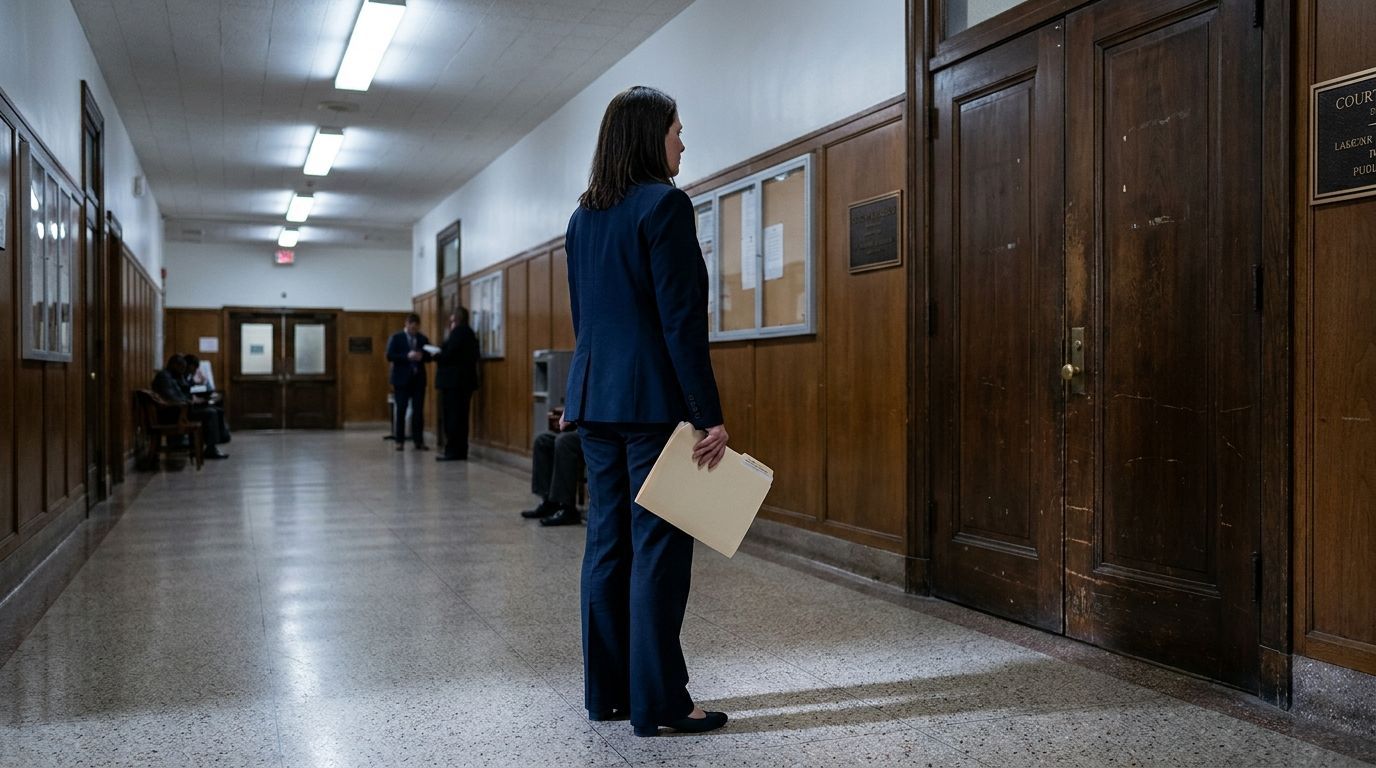

Can a Misdemeanor Be Upgraded to a Felony in Dallas?
Understanding How Charges Escalate in Texas
Key Takeaways: Yes, a misdemeanor can be upgraded to a felony in Dallas under specific circumstances authorized by the Texas Penal Code, never arbitrarily. Charges escalate based on criminal history or conduct surrounding the alleged offense, such as property crimes in the course of committing a human smuggling offense under Section 28.10. Prior convictions are especially powerful, Texas law allows a single conviction to be used repeatedly for enhancement and can trigger mandatory minimums or, for habitual offenders, sentences of 25 years to life. Even out-of-state and Class C offenses can carry hidden weight. Because the State must prove prior convictions and qualifying circumstances, a careful defense can challenge whether an enhancement legally holds. Acting early and consulting experienced counsel offers the best opportunity to limit your exposure.
Yes, under certain circumstances a misdemeanor can be upgraded to a felony in Dallas. Texas law gives prosecutors several tools to elevate what begins as a minor charge into a far more serious one, often based on criminal history or circumstances surrounding the alleged offense. If you have been arrested or cited in Dallas County, understanding this process is essential to protecting your rights. The difference between a fine and prison time can hinge on enhancement rules that many people never see coming.
If you are facing charges and worried about escalation, the Law Offices of Robert Gregg is ready to help. Call us at 214-559-3444 or reach out through our contact page to discuss your situation with a defense-first team familiar with Dallas County prosecutors.
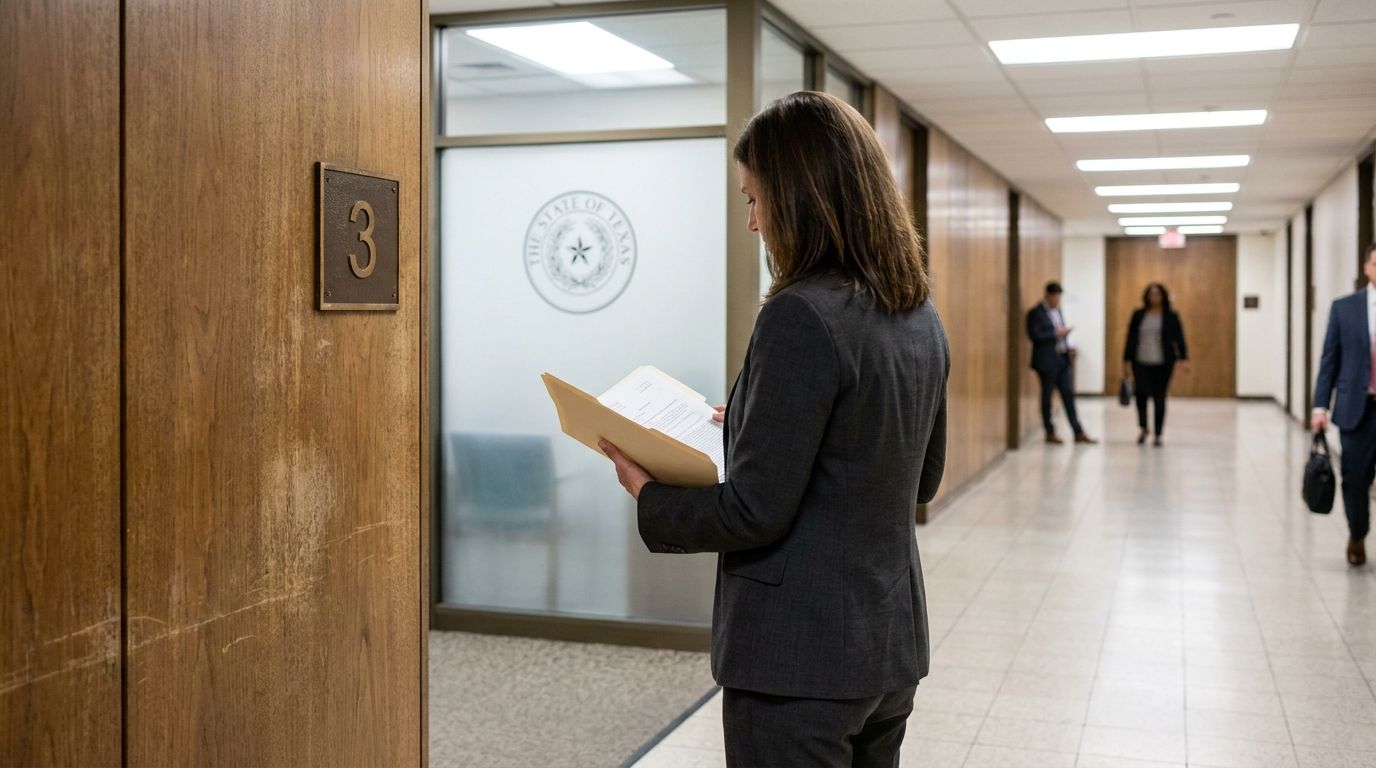
Misdemeanor vs Felony: The Basics in Texas
Knowing the difference between a misdemeanor vs felony is essential before understanding how one becomes the other. Texas law sorts criminal offenses into clear categories with dramatically different consequences. Misdemeanors in Texas are crimes punishable by up to one year in local or county jail, categorized as Class A, B, or C. Felonies carry the possibility of state prison time and lasting collateral consequences.
The misdemeanor classes follow a predictable structure. Class A misdemeanors are punishable by up to one year in jail, a fine of up to $4,000, or both. Class B misdemeanors carry up to 180 days in jail, a fine of up to $2,000, or both. Class C misdemeanors are punishable by a fine of up to $500 with no jail time. For a deeper breakdown, our overview explaining the misdemeanor vs felony categories can help you see where your charge fits.
| Offense Class | Maximum Jail/Prison | Maximum Fine |
|---|---|---|
| Class C Misdemeanor | None | $500 |
| Class B Misdemeanor | 180 days | $2,000 |
| Class A Misdemeanor | 1 year | $4,000 |
| State Jail Felony | Up to 2 years | Higher exposure |
 Pro Tip: Even a fine-only Class C charge can carry hidden weight. One exception is Class C assault-family violence, which cannot be resolved by paying the fine by mail or online; you must appear in court, your fingerprints will be taken, and a conviction must be reported to DPS for inclusion on your criminal record.
When Does a Misdemeanor Become a Felony in Dallas?
A misdemeanor generally becomes a felony when a statute specifically authorizes enhancement based on surrounding conduct or the defendant’s history. Texas does not allow prosecutors to upgrade charges arbitrarily. The elevation must be grounded in a specific provision of the Penal Code.
A clear example appears in the property crimes chapter. Under Section 28.10, the punishment for an offense under Chapter 28 (Arson, Criminal Mischief, and Other Property Damage or Destruction) that is punishable as a misdemeanor or a state jail felony is increased to a third-degree felony if shown on trial that the actor committed the offense in the course of committing a human smuggling offense under Section 20.05(a)(2). Certain property-related offenses such as arson or criminal mischief that would normally be misdemeanors or state jail felonies can be elevated to third-degree felonies when committed in the course of committing a human smuggling offense. You can review this enhancement provision in the Texas criminal mischief statute.
This particular enhancement reflects how Texas law continues to evolve. This provision was added by Acts 2023, 88th Legislature, 3rd Called Session, Chapter 2 (S.B. 4), Section 7, effective February 6, 2024. Lawmakers regularly expand circumstances under which charges can be upgraded, which is why anyone facing felony charges in Texas should pay attention to recent statutory changes.
How Prior Convictions Drive Misdemeanor Enhancement in Dallas
Your criminal history is one of the most powerful factors in whether a charge gets enhanced. Texas law expressly permits a single prior conviction to be used repeatedly across separate proceedings. Texas Penal Code § 12.46 provides that using a conviction for enhancement purposes shall not preclude its subsequent use for enhancement. This means one old conviction can follow a Dallas defendant from case to case.
Even within the misdemeanor category, prior convictions sharply increase sentencing exposure. Under Texas Penal Code § 12.43, a Class A misdemeanor with a prior Class A or felony conviction carries 90 days to one year in jail and up to a $4,000 fine, while a Class B misdemeanor with a prior Class A, B, or felony conviction carries 30 to 180 days in jail and up to a $2,000 fine. A repeat charge that looks minor can come with a mandatory minimum that a first offense would never trigger.
Several factors commonly influence whether prosecutors pursue charge escalation in Dallas:
- The nature and number of any prior convictions on your record
- Whether the current allegation occurred during another offense
- How out-of-state or federal convictions are classified under Texas law
- The specific statutory enhancement provisions that apply to your charge
Pro Tip: Out-of-state convictions do not automatically escape Texas enhancement rules. Under Texas Penal Code § 12.41, a conviction is treated as a third-degree felony if TDCJ imprisonment is possible, and as a Class B misdemeanor if jail confinement is possible but not a felony.
The Felony Tier System and What It Means for You
Once a charge crosses into felony territory, it enters a tiered structure with escalating penalties. Understanding this hierarchy helps Dallas defendants grasp what is at stake. Texas Penal Code § 12.04 classifies felonies into capital felonies, first degree, second degree, third degree, and state jail felonies, with any uncategorized felony offense defaulting to a state jail felony. You can read the full framework within the Texas Penal Code penalties chapter.
The habitual offender rules represent the most severe end of the spectrum. Under Texas Penal Code § 12.42(d), if a defendant on trial for a felony other than a state jail felony has two prior final felony convictions, with the second occurring after the first became final, punishment on the new felony conviction is 25 to 99 years or life imprisonment. This is why a charge beginning as a misdemeanor can become so dangerous once upgraded, an existing felony history may suddenly expose you to decades behind bars.
Pro Tip: Never assume an enhancement is correctly applied. The State must prove the prior convictions and qualifying circumstances, and careful review of the record can sometimes reveal that an enhancement does not legally hold up.
Building a Defense Against Charge Escalation in Dallas County
A strong defense often focuses on challenging the foundation of an enhancement. Because the State carries the burden of proving guilt beyond a reasonable doubt, every element of an upgraded charge is open to scrutiny. Often the question is not only whether the underlying offense occurred, but whether the statutory conditions for elevation were met.
Procedural and constitutional protections also play a central role. Issues such as unlawful search and seizure, Miranda violations, and due process concerns can affect whether certain evidence is admissible. A knowledgeable Dallas Texas criminal defense team can evaluate whether prior convictions were valid, whether the enhancement statute applies, and whether the facts support a reduction rather than escalation.
Pro Tip: Acting early matters. Decisions made shortly after arrest, including what you say to police, can shape your options later, so consult counsel before discussing your case.
Frequently Asked Questions
1. Can a Class C misdemeanor ever lead to felony charges in Texas?
Generally, a standalone Class C misdemeanor is a fine-only offense, but context can change its significance. While the Class C charge itself is minor, related conduct or accompanying offenses may carry separate, more serious exposure depending on the facts.
2. Does a single prior conviction really get used more than once?
Yes, Texas law allows this in separate proceedings. As § 12.46 provides, using a conviction for enhancement does not prevent its later use for enhancement again. This means a prior record can influence multiple future cases.
3. What is the difference between a state jail felony and a misdemeanor?
A state jail felony is the lowest felony tier and carries prison exposure that misdemeanors do not. It sits at the bottom of the felony hierarchy but still counts as a felony, with lasting collateral consequences.
4. How do courts treat out-of-state convictions for enhancement?
Texas applies § 12.41 to classify offenses prosecuted outside the Penal Code. Whether the prior conviction counts as a felony or misdemeanor depends on the possible punishment. Courts evaluate these classifications carefully, and outcomes can be fact-dependent.
5. Can an enhancement be challenged or removed?
In limited circumstances, yes, depending on the facts and validity of prior convictions. Defense counsel may contest whether the statutory conditions were met or whether prior records qualify. Outcomes depend on the specific evidence and procedural posture.
Protecting Your Future Starts Today
The possibility that a misdemeanor can be upgraded to a felony in Dallas underscores how quickly criminal exposure can grow. Enhancement rules, prior convictions, and statutory tiers all work together to elevate charges under certain circumstances, and the consequences can reach far beyond what an initial citation suggests. Because every case turns on its own facts, understanding the misdemeanor vs felony framework early gives you the best opportunity to respond strategically. The State bears the burden of proof, and a focused defense can hold it to that burden.
If you or a loved one is facing potential misdemeanor enhancement in Dallas, the Law Offices of Robert Gregg is prepared to stand with you. Call 214-559-3444 or request a confidential consultation to start building your defense today.