
Can a DWI Charge Be Dismissed in Texas?
Can a DWI Charge Be Dismissed in Texas?
A DWI arrest can leave you worried about your driver’s license, employment, finances, and future. However, an arrest is not the same as a conviction. Prosecutors must establish every element of the charge beyond a reasonable doubt, and weaknesses in the evidence may create grounds to challenge the case.
Can a DWI charge be dismissed in Texas? The answer depends on the facts. Dismissal is never guaranteed, but problems involving the traffic stop, chemical testing, field sobriety exercises, police procedures, or other evidence may affect whether the prosecution can move forward.
At the Law Offices Of Robert S. Gregg we help individuals facing DWI charges in Dallas understand their legal options. Attorney Robert S. Gregg carefully reviews the circumstances surrounding each arrest and develops a defense strategy based on the available evidence.
What Must the State Prove in a Texas DWI Case?
Under Texas law, a person may be charged with DWI when accused of operating a motor vehicle in a public place while intoxicated. Intoxication may be alleged based on:
- A blood alcohol concentration of 0.08 or higher
- The loss of normal mental faculties due to alcohol, drugs, a controlled substance, or a combination of substances
- The loss of normal physical faculties due to alcohol, drugs, a controlled substance, or a combination of substances
The prosecution must prove the required elements beyond a reasonable doubt. A defense attorney may examine whether the evidence actually supports the accusation and whether law enforcement obtained that evidence legally.
Common Reasons a Texas DWI Charge May Be Dismissed
Every DWI case is different. The following issues may weaken the prosecution’s case or provide a basis for seeking the exclusion of certain evidence.
The Traffic Stop Was Not Legally Justified
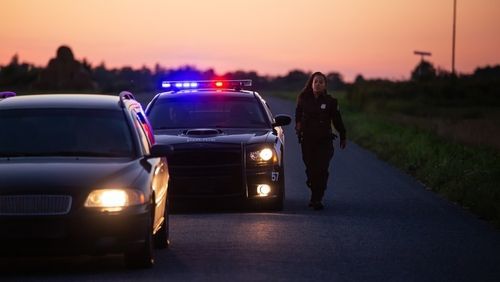
Police generally need reasonable suspicion that a traffic violation or criminal offense occurred before stopping a vehicle. An officer might report observing speeding, weaving, failing to signal, or another violation.
If the officer did not have a lawful reason for the stop, the defense may challenge evidence obtained afterward. When important evidence is suppressed, the prosecution may have difficulty continuing the case.
Field Sobriety Exercises Were Unreliable
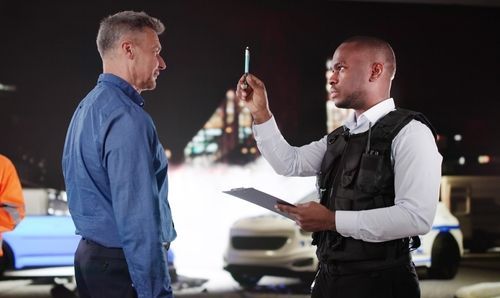
Officers frequently ask drivers to complete standardized field sobriety exercises, such as the walk-and-turn, one-leg stand, or horizontal gaze nystagmus test. Performance can be affected by factors unrelated to intoxication, including:
- Uneven or slippery pavement
- Poor lighting
- Uncomfortable footwear
- Physical injuries or medical conditions
- Anxiety, exhaustion, or confusion
- Unclear instructions from the officer
- Weather and roadside traffic conditions
Body-camera and dashboard-camera footage may provide important context about how the exercises were administered and how the driver actually performed.
Breath-Test Results May Be Questionable
A breath-test result is not automatically conclusive. The reliability of a result may depend on whether the equipment was properly maintained, calibrated, and operated. The timing of the test and the actions taken before administering it may also be relevant.
A defense attorney may examine maintenance records, testing procedures, operator qualifications, and other evidence to determine whether the reported result should be challenged.
Problems Occurred With a Blood Sample
Blood testing may appear highly scientific, but errors can still occur during collection, labeling, storage, transportation, or analysis. Questions may arise about whether:
- The sample belonged to the correct person
- The blood was drawn according to accepted procedures
- The collection materials were appropriate
- The sample was stored at the proper temperature
- Contamination or fermentation affected the result
- The chain of custody was properly documented
If the reliability of the blood evidence cannot be established, its value to the prosecution may be reduced.
Video Evidence Conflicts With the Police Report
An arrest report may describe slurred speech, poor balance, confusion, or other alleged signs of intoxication. Video footage may present a different picture.
Body-camera, dashboard-camera, surveillance, or other recordings could show that the driver communicated clearly, followed instructions, and appeared physically steady. Inconsistencies between written reports and video evidence may raise questions about the strength of the case.
Medical Conditions Resembled Signs of Intoxication
Some health conditions can produce symptoms that officers may interpret as impairment. Diabetes, neurological conditions, balance disorders, anxiety, fatigue, injuries, or side effects from medication may affect a person’s speech, coordination, appearance, or behavior.
Medical documentation and witness testimony may help explain conduct that law enforcement attributed to alcohol or drug use.
The State Cannot Prove the Person Was Operating the Vehicle
Not every DWI arrest begins with an officer seeing someone drive. Police may encounter a person sitting or sleeping inside a parked vehicle. In these cases, questions may arise about whether the available evidence proves that the individual operated the vehicle while intoxicated.
Factors such as the vehicle’s location, whether the engine was running, where the keys were found, and witness statements may become important.
The Evidence Does Not Establish Intoxication
The smell of alcohol does not necessarily prove intoxication. Red eyes, nervous behavior, or an admission to drinking may also have innocent explanations. A person can legally consume alcohol before driving as long as they are not intoxicated.
The entire body of evidence must be examined rather than relying on one observation or assumption.
Does Refusing a Breath or Blood Test Lead to Dismissal?
Refusing a breath or blood test does not automatically result in dismissal. Prosecutors may attempt to rely on officer observations, field sobriety performance, video footage, driving behavior, witness testimony, or other evidence.
A refusal may also lead to separate driver’s license consequences through the Administrative License Revocation process. Because the criminal case and the license proceeding are separate matters, it is important to address both promptly.
Who Has the Authority to Dismiss a DWI Charge?
A prosecutor may decide to dismiss a charge when the available evidence is insufficient, important evidence has been excluded, a necessary witness is unavailable, or other legal problems affect the case.
A judge may also issue rulings that significantly weaken the prosecution’s evidence. For example, if evidence obtained through an unlawful stop is suppressed, the state may no longer have enough admissible evidence to proceed.
A defense attorney cannot promise that a charge will be dismissed. However, an attorney can investigate the case, identify weaknesses, file appropriate motions, negotiate with prosecutors, and prepare to challenge the allegations in court.
Is a Dismissal the Same as a Reduced Charge?
No. A dismissal means the DWI charge is no longer being prosecuted. A reduction means the original charge is replaced with or resolved through a different offense.
Whether dismissal, reduction, trial, or another outcome is possible depends on the facts, criminal history, test results, available video, and strength of the prosecution’s evidence. Any proposed resolution should be carefully evaluated for its potential effect on your record, license, employment, and future.
Why Acting Quickly After a Dallas DWI Arrest Matters
Evidence can become more difficult to locate as time passes. Video may be overwritten, witnesses may become harder to reach, and records may need to be formally requested. There may also be a limited period to challenge an administrative driver’s license suspension.
Contacting a DWI defense attorney promptly allows the investigation to begin while evidence is still available.
Speak With a Dallas DWI Defense Attorney
A DWI charge does not have to go unchallenged. Questions involving the traffic stop, field sobriety exercises, chemical testing, video footage, police procedures, or proof of vehicle operation could affect the outcome of your case.
At the Law Offices of Robert S. Gregg, Attorney Robert S. Gregg represents individuals facing DWI charges throughout Dallas, Texas. Our firm will review the evidence, explain your options, and pursue a defense strategy tailored to the circumstances surrounding your arrest.
Call the Law Offices Of Robert S. Gregg at 214-559-3444 or visit www.gregglawdallas.com to schedule a consultation.