
What Happens at an Arraignment in Dallas County?
If you or a loved one has been arrested and charged with a crime in Dallas, one of the first major court events you will face is the arraignment. This early hearing plays a critical role in shaping the direction of your Dallas County criminal case. Under Texas law, the arraignment serves two core purposes: to confirm the defendant’s identity and to hear their plea. Understanding what happens at this stage, what your rights are, and how to prepare can make a meaningful difference in how your case unfolds. Whether you are facing a misdemeanor or a felony, knowing the Texas criminal court procedures that apply puts you in a stronger position from the start.
If you are facing criminal charges in Dallas and need guidance before your arraignment, the Law Offices of Robert Gregg can help. Call 214-559-3444 or reach out online to discuss your case today.
How the Arraignment Works in Dallas County Criminal Court
The arraignment is a formal court proceeding where the judge reads the charges against you and asks you to enter a plea. Texas Code of Criminal Procedure Article 26.02 states that an arraignment takes place for the purpose of fixing the defendant’s identity and hearing the defendant’s plea. You will generally enter a plea of guilty, not guilty, or no contest. In most cases, defense attorneys advise entering a plea of not guilty at arraignment to preserve all available options going forward, including dismissal opportunities and plea negotiations.
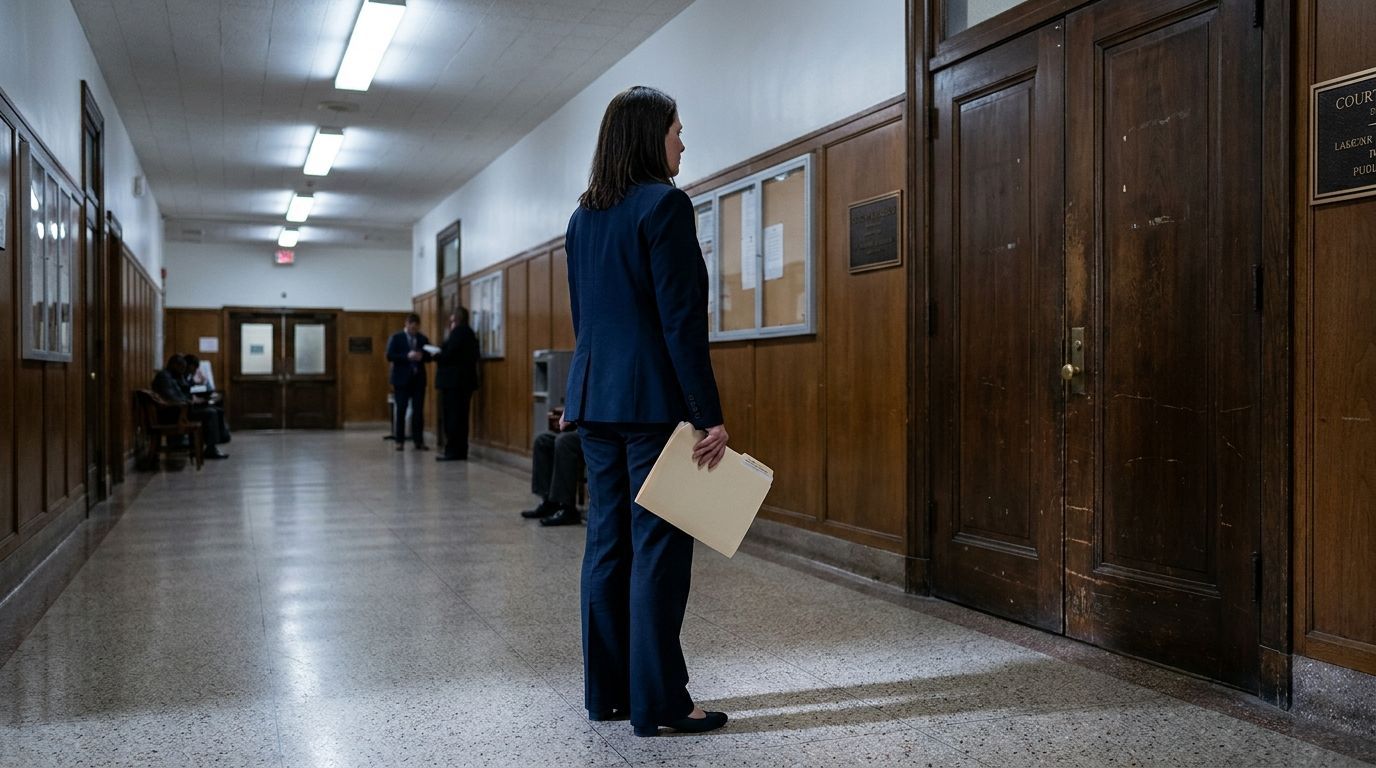
Under Article 26.01 of the Texas Code of Criminal Procedure, an arraignment is required in all felony cases after indictment and all misdemeanor cases punishable by imprisonment. This means that if you have been charged with a crime that carries potential jail or prison time, the State must bring you before a judge for this hearing. All court hearings for pretrial defendants in Dallas County are held at the Frank Crowley Courts Building in downtown Dallas, located at 133 N. Riverfront Boulevard.
 Pro Tip:
Do not assume that entering a “not guilty” plea means your case must go to trial. A not guilty plea at arraignment simply keeps your defense options open while your attorney investigates the facts, reviews evidence, and identifies weaknesses in the State’s case.
Pro Tip:
Do not assume that entering a “not guilty” plea means your case must go to trial. A not guilty plea at arraignment simply keeps your defense options open while your attorney investigates the facts, reviews evidence, and identifies weaknesses in the State’s case.

Your Rights Before and During a Texas Arraignment Hearing
You have important constitutional and statutory rights that protect you throughout the arraignment process. Under Article 26.03 of the Texas Code of Criminal Procedure, no arraignment may take place until at least two entire days after the day on which a copy of the indictment was served on the defendant, unless the defendant waives that right or is out on bail. This waiting period gives you and your attorney time to review the charges.
The Right to Counsel at Arraignment
If you cannot afford to hire a private attorney, you may be eligible for a court-appointed lawyer. Under Article 26.04 of the Texas Code of Criminal Procedure, judges of the county courts, statutory county courts, and district courts trying criminal cases must adopt written countywide procedures for timely appointing counsel for an indigent defendant charged with a confinement-eligible offense. Dallas County maintains an Indigent Defense Plan to ensure eligible defendants receive legal representation. To apply, contact the court where your case is assigned and complete the application process.
Waiver of Arraignment
In many cases, your attorney can file a waiver of arraignment on your behalf, meaning you may not need to appear in person for this hearing. Under Texas Code of Criminal Procedure Article 26.011, an attorney representing a defendant may present a waiver of arraignment, and the clerk of the court may not require the presence of the defendant as a condition of accepting that waiver. This practical advantage can save you time and reduce unnecessary court appearances while your attorney works on your defense strategy.
Pro Tip:
Ask your attorney early on whether filing a waiver of arraignment makes sense in your case. When appropriate, it can streamline the process and reduce stress.
How a Criminal Defense Lawyer in Dallas Protects You at Arraignment
Having a defense attorney by your side at arraignment is one of the most important steps you can take to protect your rights. A criminal defense lawyer in Dallas who is familiar with the local courts, judges, and prosecutors can advise you on what plea to enter and help you understand the charges you face. Your attorney can also begin identifying procedural issues, potential defenses, and strategies for pursuing a dismissal or reduction of charges.
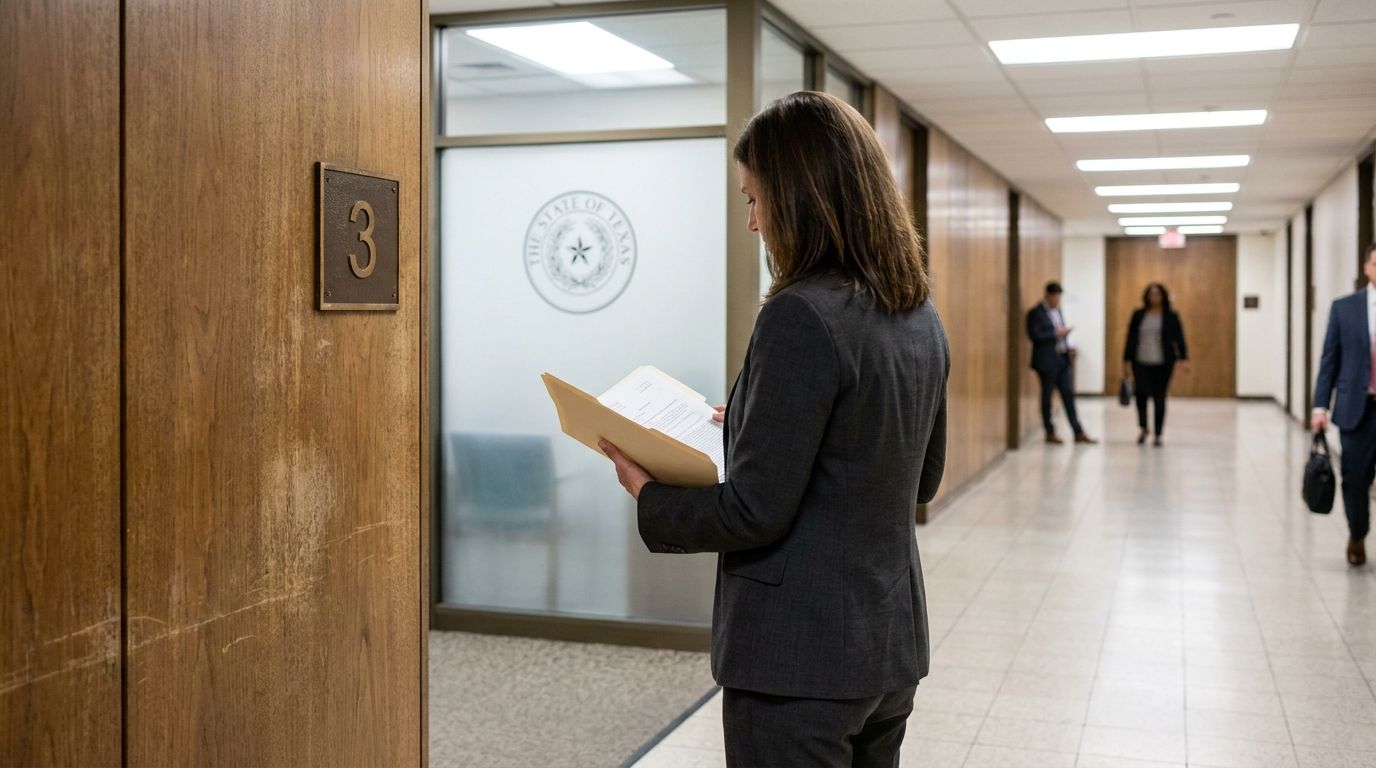
Dallas County has seven Criminal District Courts(No. 1 through No. 7) plus multiple numbered District Courts, including the 194th, 195th, 203rd, 204th, 265th, 282nd, 283rd, 291st, 292nd, and 363rd, that handle felony criminal cases. The county also employs Felony Court Magistrates who handle initial proceedings such as arraignments and bond settings. An experienced criminal defense attorney in Dallas will know which court your case is assigned to and what to expect from the judge.
Pro Tip:
Write down the name of the court and judge assigned to your case as soon as you receive that information. Share it with your attorney promptly so they can begin preparing a defense strategy tailored to your specific courtroom.
What to Expect When You Arrive at the Frank Crowley Courts Building
Preparation matters when you show up for your arraignment or any scheduled court hearing in Dallas County. You will need to pass through a metal detector upon entering the building, so leave unnecessary items at home. The court prohibits bringing children, food, drinks, or any illegal items into the building. Turn off your cell phone before entering the courtroom.
Checking In with Pretrial Services
If you were released on a personal bond under Pretrial Services supervision, you have additional check-in requirements. You must report to the Pretrial Services Office at least 45 minutes before your scheduled court appearance time. The office is located on the first floor of the Frank Crowley Courts Building in Room A9. Defendants on personal bond are required to attend all scheduled court settings.
| Arraignment Preparation Checklist |
Details |
|---|---|
| Location |
Frank Crowley Courts Building, 133 N. Riverfront Blvd., Dallas, TX |
| Pretrial Check-In |
Room A9, 1st floor, at least 45 minutes before your hearing |
| Prohibited Items |
Children, food, drinks, weapons, illegal items |
| Cell Phones |
Must be turned off before entering the courtroom |
| Bond Requirement |
Defendants on personal bond must attend all court settings |
Pro Tip:
Arrive early and dress professionally. First impressions in the courtroom matter, and being late can result in a warrant being issued for your arrest.
What Happens After the Arraignment in a Dallas County Criminal Case
The arraignment is just one step in the broader criminal justice process. After your plea is entered, your case will move through additional stages that may include pretrial hearings, plea negotiations, motions hearings, and potentially trial. Each case follows its own path depending on the charges, the evidence, and the defense strategy your attorney develops.
Understanding your rights after an arrest gives you a foundation for making informed decisions at every stage. Your attorney can help you evaluate whether to negotiate a plea, file pretrial motions to suppress evidence, or take your case to trial. The goal is always to achieve the best possible outcome based on the specific facts of your situation.
Pro Tip:
Keep a written record of every court date, deadline, and condition of your bond. Missing a single setting or violating a bond condition can create serious complications in your case.
How a Criminal Defense Lawyer in Dallas Can Help You Move Forward
Facing criminal charges in Dallas is stressful, but you do not have to navigate the process alone. From arraignment through the resolution of your case, a criminal defense lawyer in Dallas who understands the local courts and Texas criminal law can fight to protect your freedom. Whether your goal is a dismissal, charge reduction, or favorable plea agreement, having experienced legal counsel significantly improves your chances.
Frequently Asked Questions
1. What is the purpose of an arraignment in Texas?
Under Texas law, the statutory purpose of an arraignment is to confirm the defendant’s identity and to hear their plea. It is typically the first formal court proceeding after charges are filed and sets the stage for the rest of your criminal case.
2. Can I skip my arraignment in Dallas County?
In many cases, yes. Texas Code of Criminal Procedure Article 26.011 allows your attorney to file a waiver of arraignment on your behalf. The clerk may not require your physical presence as a condition of accepting the waiver. However, discuss this option with your lawyer before assuming you do not need to appear.
3. What should I bring to court for my arraignment?
Bring a valid form of identification and any documents your attorney has requested. Do not bring children, food, drinks, or prohibited items. You will pass through a metal detector upon entering the Frank Crowley Courts Building.
4. How long after indictment does the arraignment take place?
Under Article 26.03, arraignment cannot occur until at least two entire days after the defendant was served a copy of the indictment. However, this waiting period does not apply if the defendant waives the right or is out on bail. Your attorney can advise you on whether waiving this right is in your best interest.
5. What if I cannot afford a lawyer for my arraignment?
If you are indigent and unable to hire an attorney, you may qualify for a court-appointed lawyer. Dallas County has an Indigent Defense Plan and uses a formal application process. Contact the court where your case is assigned to begin the application.
Protect Your Future After an Arraignment in Dallas County
The arraignment is a pivotal moment in any criminal case, and the decisions you make early on can affect every stage that follows. Understanding Texas arraignment procedures, knowing your rights, and having strong legal representation gives you the best chance of a favorable outcome. The specific facts of your situation will shape the defense strategy your attorney builds on your behalf.
If you are facing criminal charges in Dallas and need a defense attorney who knows how to fight for your rights, contact the Law Offices of Robert Gregg today. Call 214-559-3444 or schedule a consultation online to take the first step toward protecting your future.