
Do You Qualify for Free Protective Order Filing in Dallas County?
Your Safety Shouldn’t Come with a Price Tag
When someone has threatened or harmed you, every moment counts. In Texas, you can apply for a protective order free of charge. You have two main options: (1) seek assistance from your local county or district attorney’s office, who can file the protective order on your behalf and represent you in court at no charge, or (2) file on your own at the courthouse without legal representation using standardized forms. Financial barriers don’t have to stand between you and your safety. Whether you’re facing threats, physical violence, or ongoing harassment, understanding your right to free protective order filing can be the first step toward reclaiming your peace of mind.
Texas law recognizes that victims of violence shouldn’t face financial burdens when seeking protection. A protective order is a court order that keeps you safe from someone who has been violent or threatened violence. This legal tool creates enforceable boundaries that help you rebuild your sense of security.
 Pro Tip:
Document all incidents of violence or threats immediately, including dates, times, and witnesses. This documentation will strengthen your protective order application even if you file without an attorney.
Pro Tip:
Document all incidents of violence or threats immediately, including dates, times, and witnesses. This documentation will strengthen your protective order application even if you file without an attorney.
If you’re ready to take control of your safety and need guidance, reach out to the Law Offices of Robert Gregg. Whether it’s understanding protective orders or navigating complex legal situations, we’re here to help. Contact us today at 214-559-3444 or contact us to take the first step toward a safer future.

Understanding Your Rights to Free Protective Order Filing
Texas law ensures that cost never prevents someone from seeking protection from violence. When you need help from an assault and battery lawyer in Dallas, understanding that protective orders can be filed without attorney fees removes a major obstacle. The Dallas County Protective Orders process allows victims to work directly with prosecutors who guide you through filing at no charge. This right extends to all eligible applicants, regardless of income or employment status.
The Texas Family Code Chapter 85 – Issuance of Protective Orders establishes the legal framework for protective orders throughout the state. Under this law, courts use standardized forms created by the Office of Court Administration, designed to be completed by individuals without legal training.
To qualify for filing in Dallas County, either you or your abuser must live in Dallas County, or the incident must have occurred there. This requirement ensures that local courts have authority to enforce the protective order effectively. Texas law provides that protective orders last up to two years.
Pro Tip:
Even though you can file for free without an attorney, consulting with legal counsel can help ensure your protective order includes all necessary provisions for your specific situation, such as child custody arrangements or property access restrictions.
The Step-by-Step Process for Free Filing
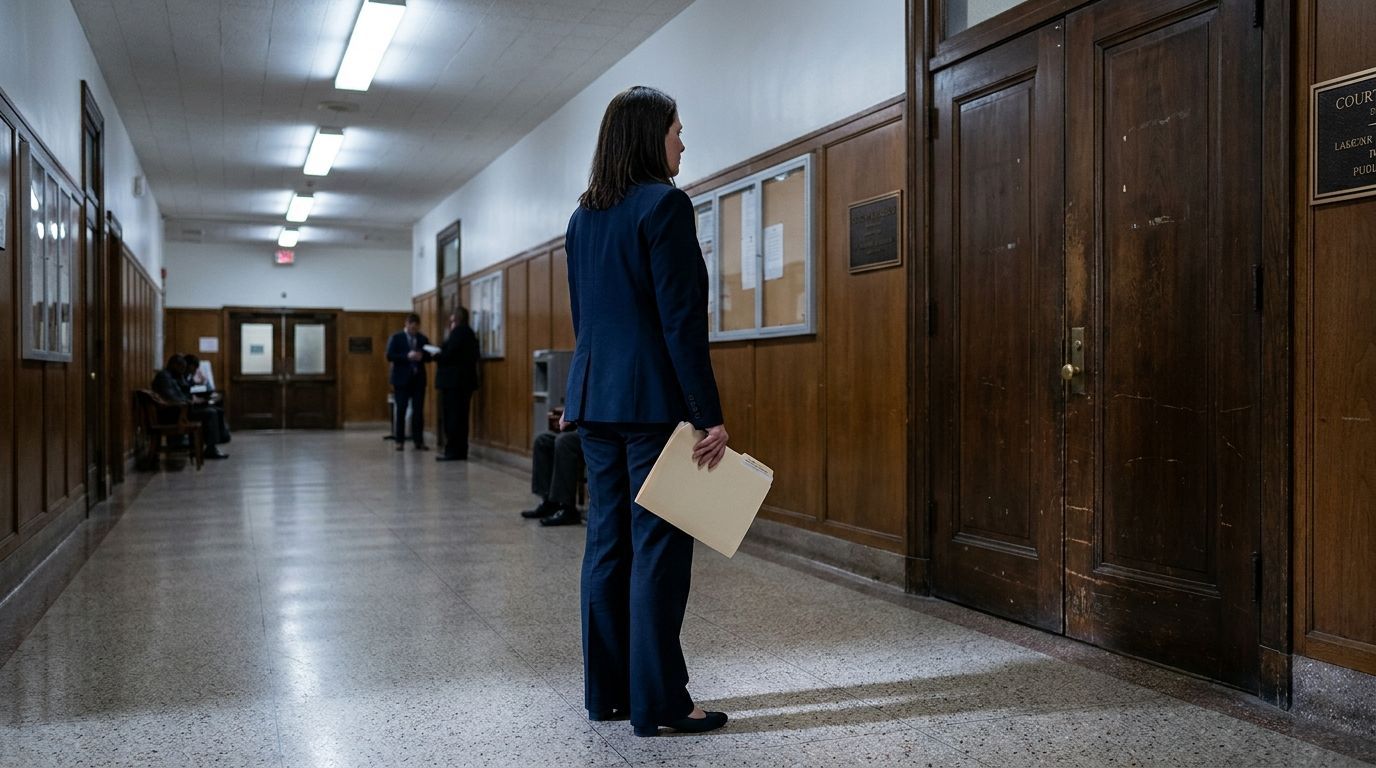
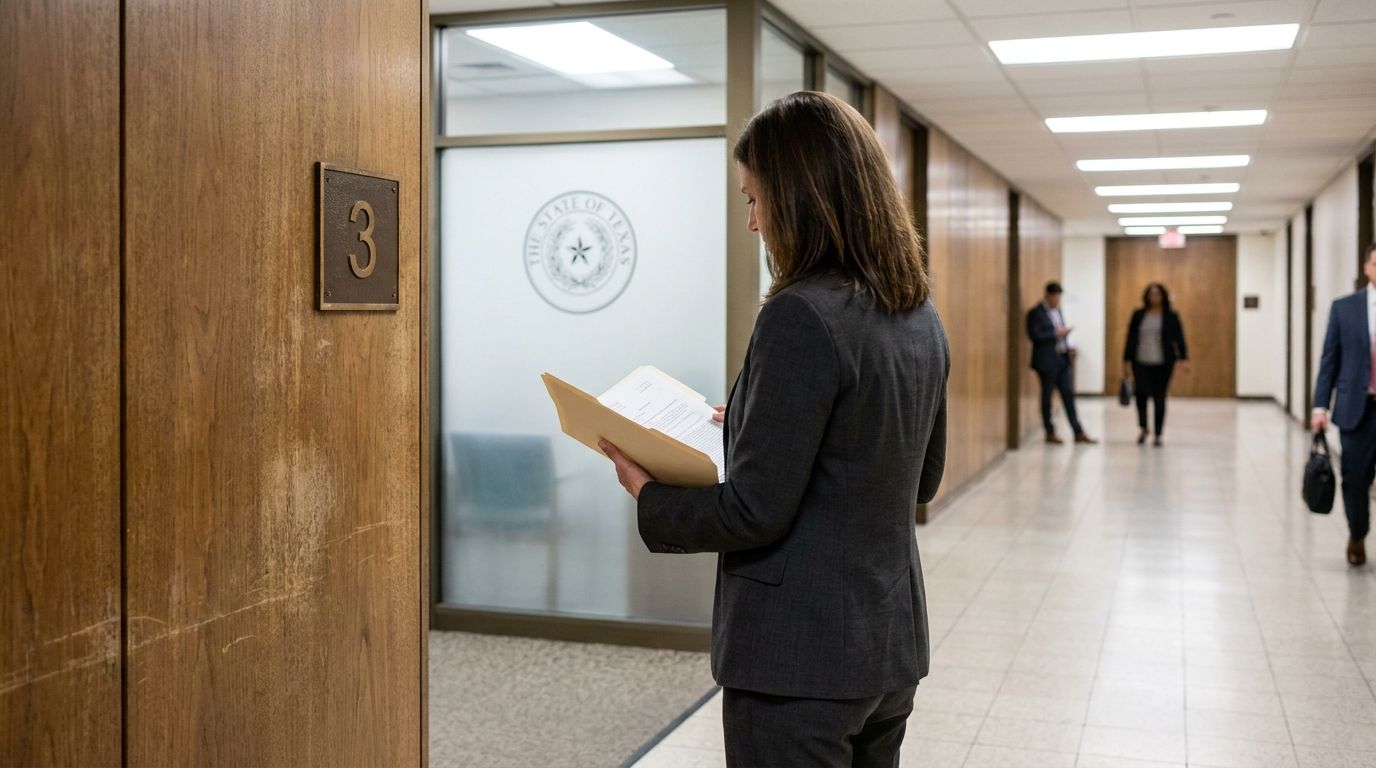
Understanding the timeline for obtaining a protective order helps reduce anxiety and ensures you take necessary steps. The process begins at your local courthouse, where prosecutors assist with filing applications at no charge.
- Complete the standardized application form at the courthouse with help from victim advocates or prosecutors
- File the application with a supporting affidavit; a judge reviews it and may issue a temporary ex parte protective order — often the same day — without the abuser being present or notified. If the judge finds clear and present danger exists, a temporary protective order can be issued and is valid for up to 20 days
- Have the protective order served to the respondent by law enforcement
- Attend the final hearing within 14 days (or 20 days in larger counties) where both parties can present evidence
- Receive a final protective order that can last up to two years with specific distance requirements (typically 500 feet from your home, work, or school)
One crucial detail: respondents of certain protective orders are prohibited from possessing firearms through the duration of the order under federal law (18 U.S.C. 922(g)(8)) and many state laws. However, federal law does not establish a standard process for law enforcement to confiscate firearms when serving protective orders; procedures for removal or surrender vary by state and jurisdiction.
Pro Tip:
Mark your calendar for important dates and arrive at least 30 minutes early for all hearings. Courts operate on strict schedules, and missing your hearing time could delay your protection by weeks.
How an Assault and Battery Lawyer in Dallas Can Strengthen Your Case
While free filing through prosecutors provides essential access to protection, working with an experienced assault and battery lawyer in Dallas can significantly strengthen your protective order application. The Law Offices of Robert Gregg understands the nuances of Texas protective order law and can help ensure your order includes comprehensive protections tailored to your circumstances. An attorney can identify additional safety measures, such as provisions for pet protection, workplace safety protocols, or specialized conditions for shared children.
Legal representation becomes particularly valuable when dealing with complex situations involving shared property, business interests, or custody arrangements. If criminal charges are being pursued alongside your protective order, coordinated legal representation ensures both proceedings work together to maximize your protection.
Pro Tip:
Many attorneys offer free consultations for protective order cases. Use this opportunity to understand how legal representation could benefit your specific situation, even if you ultimately choose to proceed with free filing through the prosecutor’s office.
Hidden Protections You Might Not Know About
Beyond the basic protective order, Texas offers additional safety measures that many victims don’t realize are available. The Address Confidentiality Program helps survivors of family violence, sexual assault, human trafficking, and stalking keep their addresses private from public records. This state program provides a substitute P.O. box address you can use instead of your actual address, forwarding your mail while keeping your location confidential. Participants can stay in the program for three years per enrollment period.
Technology and Communication Safeguards
Modern protective orders can include provisions addressing digital harassment and cyberstalking. Working with an assault and battery lawyer in Dallas helps ensure your order covers electronic communications, social media contact, and indirect contact through third parties. Courts can order respondents to cease all electronic communication, remove shared digital content, and stop tracking or monitoring activities through technology.
Pro Tip:
Change all passwords and enable two-factor authentication on important accounts before filing your protective order. Document any digital harassment by taking screenshots and saving electronic communications as evidence.
Financial and Practical Considerations During Protection
Obtaining a protective order often coincides with significant life changes affecting your finances and daily routines. Texas law allows protective orders to address concerns about shared financial accounts, lease agreements, or vehicle ownership through specific provisions about property use and financial responsibilities during the protection period.
Workplace Safety and Economic Stability
The protective order requiring the abuser to stay 500 feet from where you live, work, or attend school extends crucial protection to your workplace. Many employers offer employee assistance programs that can provide additional resources. Some victims qualify for crime victim compensation that can help with relocation costs, counseling services, or lost wages due to court appearances.
Pro Tip:
Inform your employer’s HR department about your protective order and provide them with a copy. They can implement additional security measures and alert security personnel about the restricted individual.
Frequently Asked Questions
Common Legal Concerns About Free Protective Order Filing
Many people hesitate to seek protective orders due to misconceptions about the process, eligibility, or consequences. Understanding the facts helps you make informed decisions about your safety without unnecessary delays.
Pro Tip:
Write down all your questions before visiting the courthouse or consulting with an attorney. Having a prepared list ensures you get all the information you need during your limited time with legal professionals.
Next Steps After Filing Your Protective Order
Once you’ve filed for protection, knowing what comes next helps you prepare emotionally and practically. Understanding the process reduces anxiety and helps you take proactive steps for your safety.
Pro Tip:
Create a safety plan that includes trusted contacts, safe locations, and emergency resources. Share this plan with close family or friends who can help during emergencies.
1. Can I really get a protective order without paying any fees or hiring an assault and battery lawyer in Dallas?
Yes, Texas law allows you to apply for a protective order free of charge. You have two primary options: seek assistance from the county or district attorney’s office, who can file the protective order on your behalf and represent you in court at no charge, or file on your own at the courthouse without an attorney using standardized forms. The court cannot charge filing fees for protective orders.
2. What happens if my abuser lives outside Dallas County but I live here?
You can still file for a protective order in Dallas County since you meet the residency requirement. Either the applicant or the abuser must live in the county where you file. The protective order, once granted, can be enforced anywhere in Texas and throughout the United States.
3. How long does the entire protective order process take from filing to final order?
You could receive a temporary protective order often the same day if immediate danger exists. The final hearing typically occurs within 14 days (or 20 days in larger counties). If granted, the protective order lasts for the period stated in the order, not to exceed two years.
4. Will the forms change if I need to file after September 1, 2025?
No. New mandatory forms for protective orders were implemented for use beginning June 1, 2024. These forms are available for free and designed for self-representation.
5. What if I need to keep my address secret even from court documents?
Texas offers the Address Confidentiality Program (ACP) specifically for this purpose. You can enroll in ACP to receive a substitute mailing address that forwards to your real address while keeping your actual location confidential from public records, including court documents.
Work with a Trusted Assault & Battery Lawyer
While free protective order filing ensures everyone can access basic protection, complex situations often benefit from experienced legal guidance. The Law Offices of Robert Gregg combines extensive experience in assault and battery cases with a deep understanding of Texas protective order law. Whether you need help navigating custody issues, addressing workplace safety concerns, or ensuring comprehensive protection, professional legal representation can make a significant difference in your case outcome.
Don’t let the complexities of protective orders overwhelm you. The Law Offices of Robert Gregg is here to offer guidance and clarity. Give us a call at 214-559-3444 or contact us today, and let’s chart the path toward a secure tomorrow together.